Discover simple shifts for cleaner oceans in just 7 days.
Have you ever wondered what actually ends up in your trash over the course of a week? Once the bin is emptied, everything disappears — and we rarely notice the patterns behind our plastic waste.
But noticing can lead to insights. And insights can lead to solutions.
That’s why this challenge invites people from different places around the globe to observe and share what they see. Together, these observations help reveal where larger solutions are needed — and what small shifts in daily life can add up to make a difference.
Most plastic packaging is used for only minutes — but can remain in nature for centuries.
You may notice that some packaging is easy to avoid — while other items seem almost impossible. Those moments matter. They reveal where better solutions are needed from producers, retailers and policy makers.
It also helps us reflect on which everyday habits we might want to change to avoid unnecessary plastic waste.
A GROWING COMMUNITY OF TRASH NAVIGATORS
Sometimes change from producers and policy makers takes time. In the meantime, we can learn from each other.
By submitting your observations and sharing the shift you want to make, you help others see what is possible in everyday life. Together, we can uncover where plastic packaging is hardest to avoid — and highlight where better solutions are needed.
We will share insights and tips from participants around the world, helping more people navigate their plastic waste and take simple steps towards cleaner oceans.
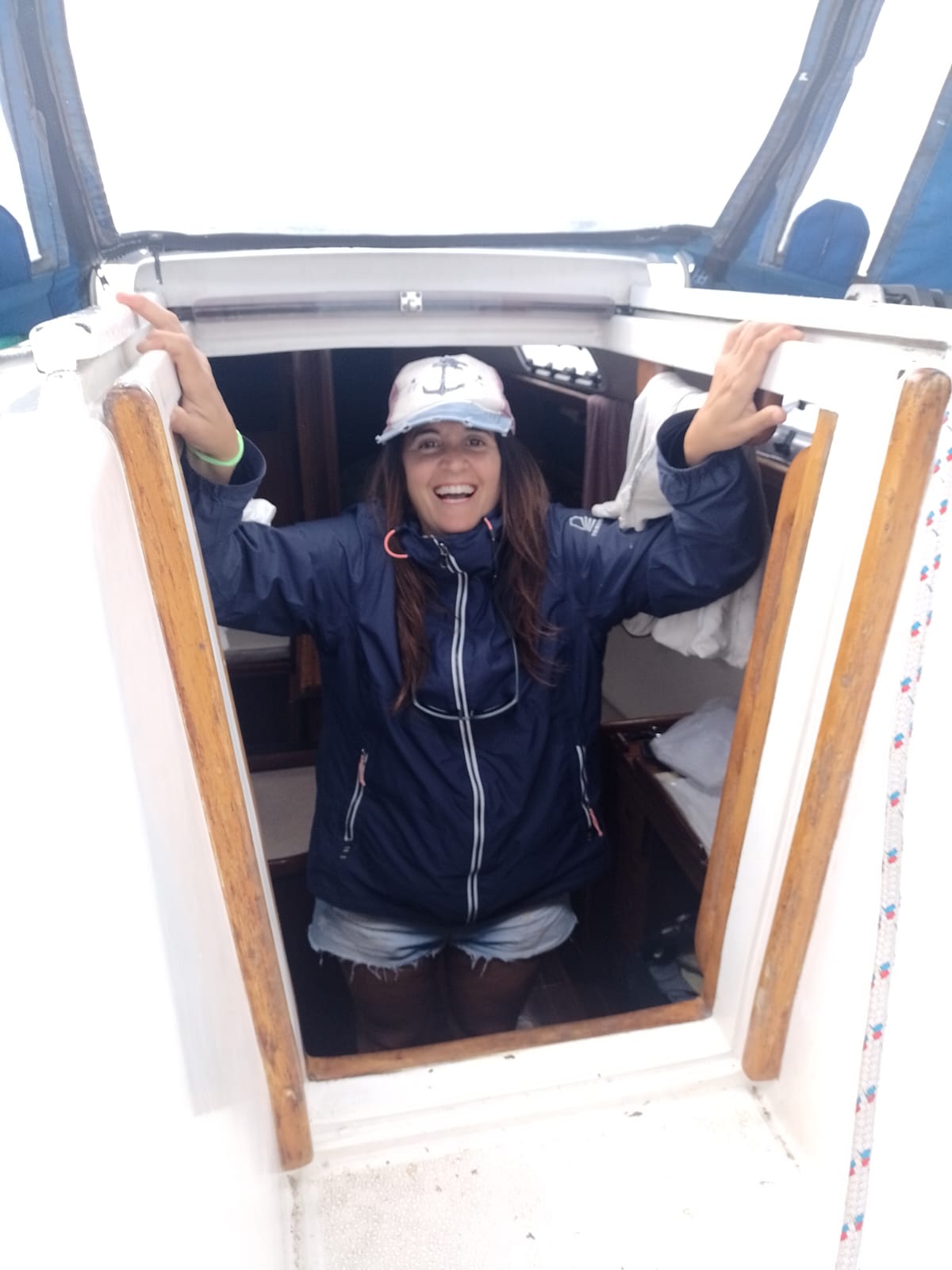
I am joining the Trash Navigator Challenge with my Optimist kids in Mar del Plata, Argentina 🇦🇷 because we believe that every simple action has the power to make a difference. We want a better world.
A PERSONAL NOTE
As sailors, we’ve spent years in places where waste doesn’t simply disappear behind a system. In remote areas we’ve seen how difficult some materials are to manage — and how quickly they can end up in nature. That experience made us curious about our own habits. So we created this challenge for ourselves — and now invite others to join.