This September, we brought our workshops to WetterWasserWaterkant in Hamburg — a week-long event offering free sustainable workshops for school classes on topics like climate change, environmental challenges, and social responsibility. Over the course of one week, thousands of students take part. This year, we contributed with six workshops, reaching 304 school kids with one central message: our choices and actions can make a difference.
Why Fighting Plastic Pollution Matters
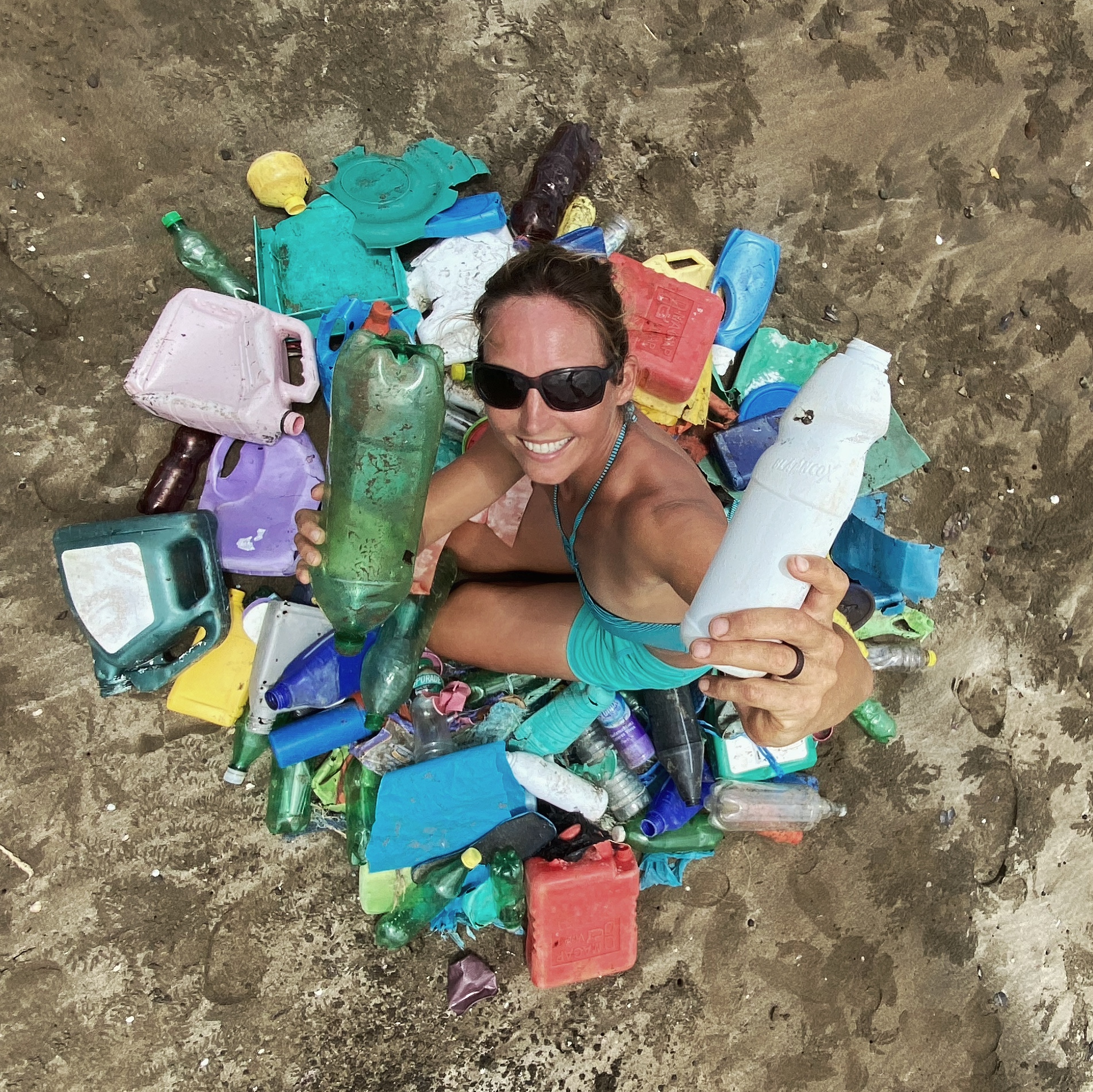
Our workshops focus on a challenge young people encounter every day: plastic. We explained why it is essential that plastic waste does not end up in nature and how it can instead be turned into something new. By showing the kids the potential of plastic as a resource, they quickly understood that workshops that address plastic pollution aren’t about pointing fingers — they’re about sparking ideas and inspiring action.
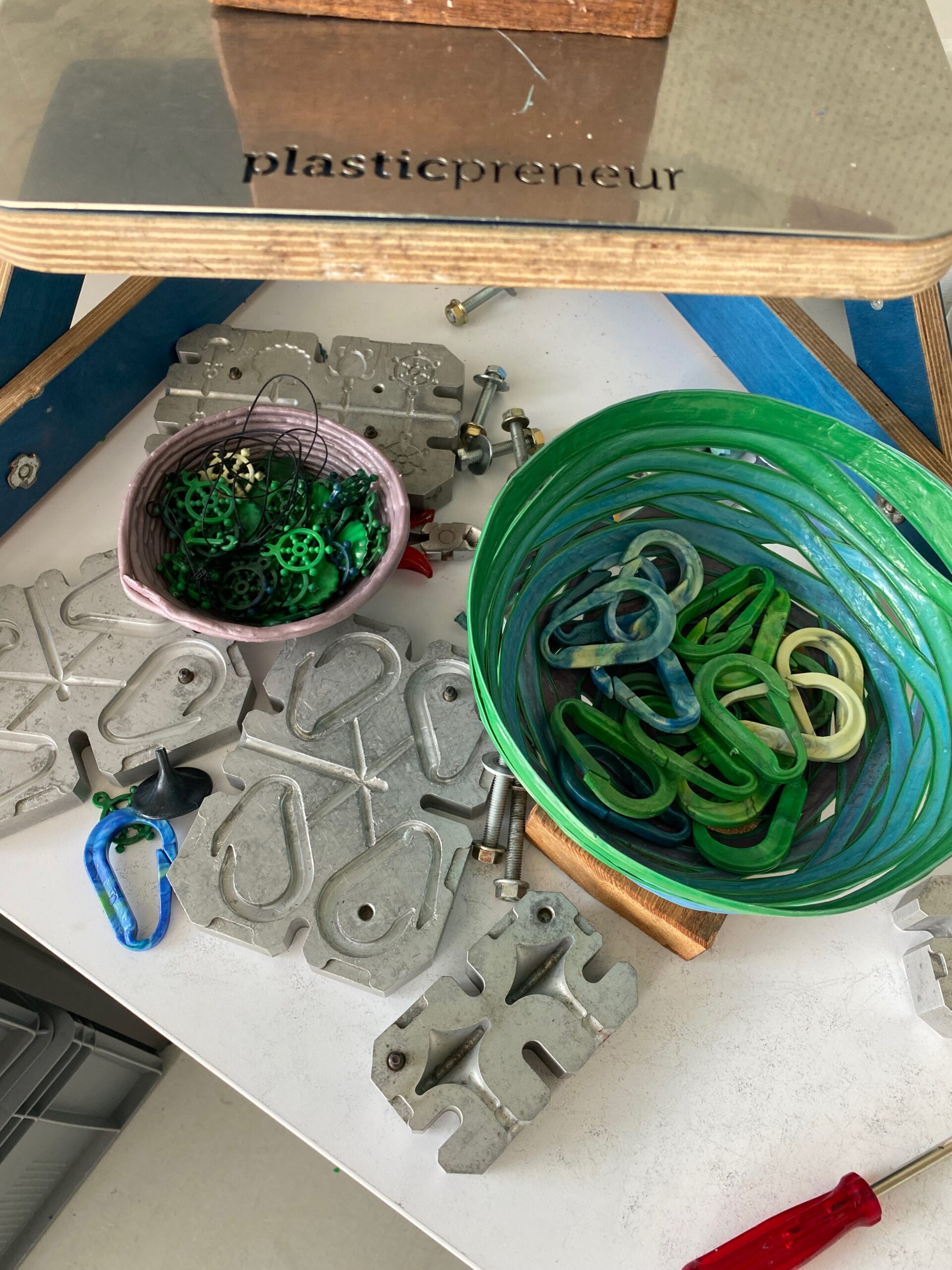
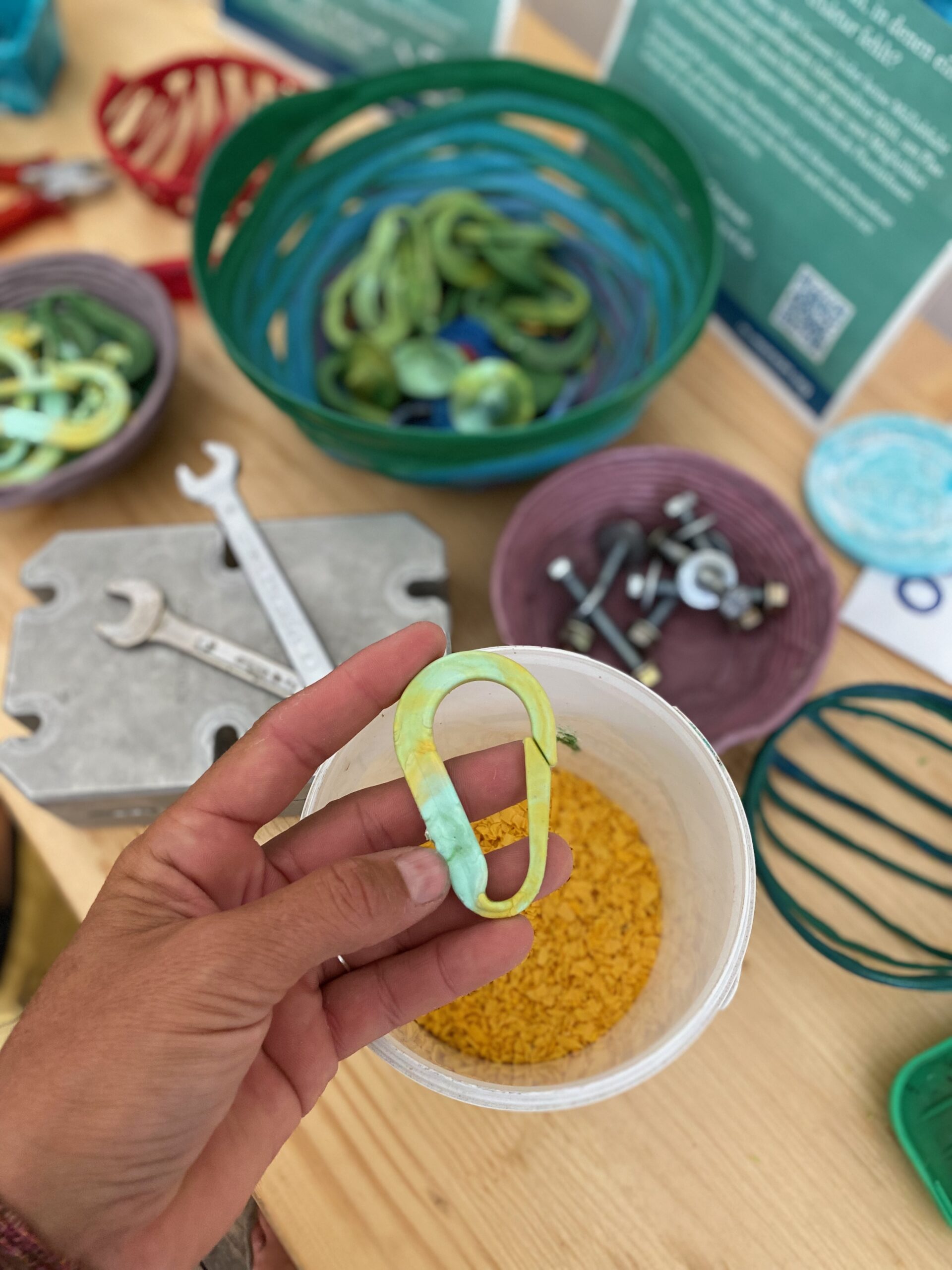
The excitement in the room was palpable as students crafted their first upcycled items. From colorful keychains to decorative bowls, they left the workshop with more than just knowledge—they gained confidence in their ability to make an impact.
How Our Workshops Are Structured
Each workshop lasts around 90 minutes and is divided into three parts:
Story & Awareness – Co-founder Nike Steiger shares the small steps that led to the foundation of In Mocean, weaving in facts about plastic pollution, its impacts, and the lack of waste infrastructure in many regions of the world. The kids are usually fascinated to hear that members of the In Mocean recycling fleet live full time on their sailboats.
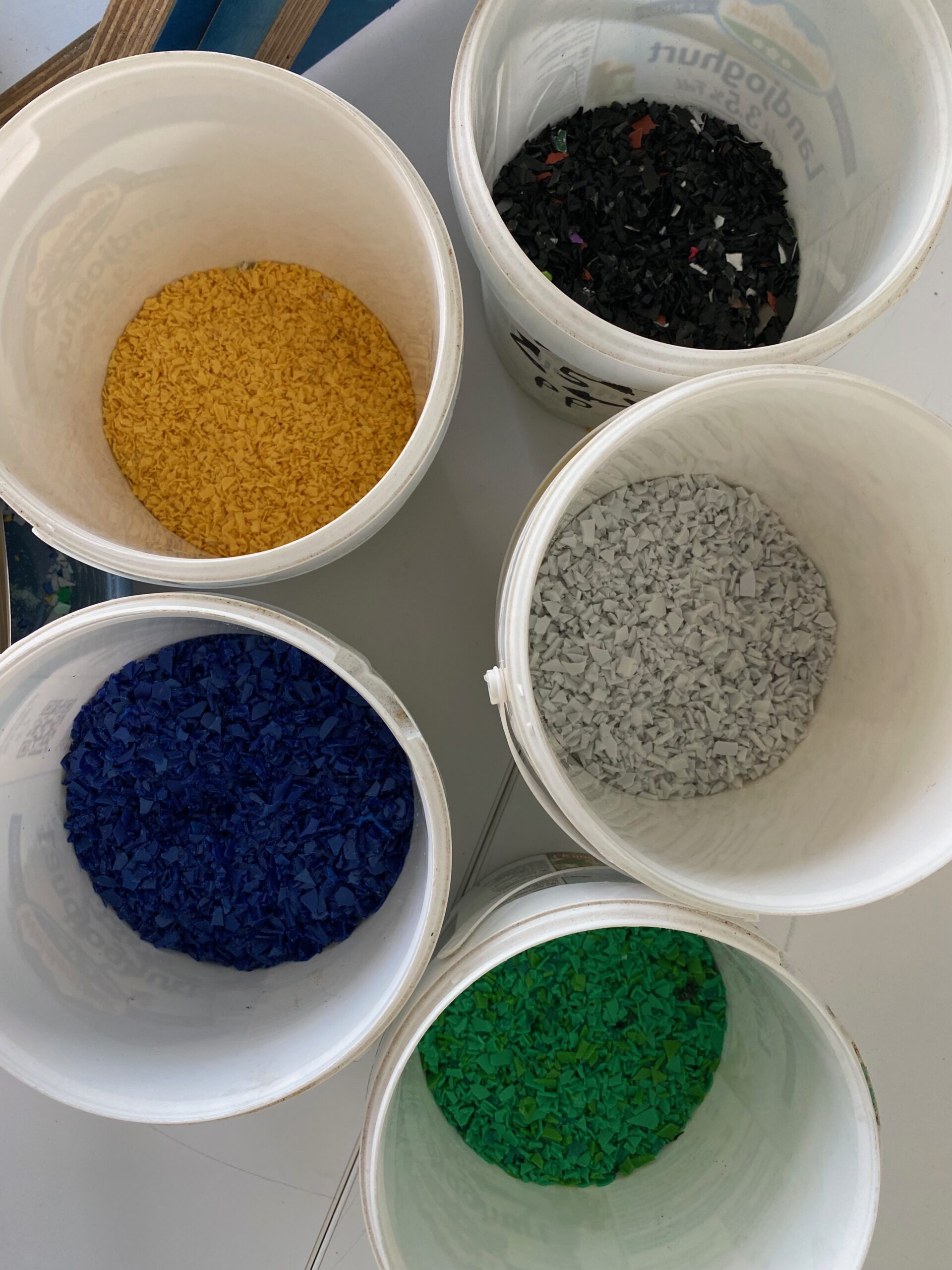
Hands-On Experience & Group Work – The class splits into two groups. One group learns about the different steps of plastic recycling and creates their own new product from plastic waste. The other group develops ideas for a mini recycling project at their school. Afterwards, the groups swap.
Presentations & Questions – The kids present their projects and products, followed by time for open questions and reflection.
Teachers tell us they appreciate this structure: the mix of storytelling, practical work, and group discussion makes it easier for students to stay focused and engaged.
Creativity in Action: Kids’ Solutions
One of the most rewarding parts of these workshops for schools is watching students turn knowledge into solutions. During group work, Hamburg school kids surprised us with their creativity:
Designing basketball hoops above trash bins to make waste collection fun.
Organizing clean-up competitions between classes to boost motivation.
Suggesting new products made from recycled plastic, like birdhouses, pencil cases, or art sculptures.
Even thinking on a larger scale — creating a program other schools could copy to extend their impact.
These ideas show that when you combine knowledge with creativity, change feels possible and exciting.
What Students Took Away
At the end of every workshop, we ask: “What’s your takeaway from today?” Their answers capture the spirit of our environmental education workshops:
These voices remind us why we do this work: to plant seeds of motivation, knowledge, and confidence.
Building on Momentum
We’ll stay in touch with the school classes to provide practical advice for their recycling projects. At the same time, the feedback we received will help us improve our workshops and make it even easier for students to take action afterwards.
Being part of WetterWasserWaterkant for the third year is both an honor and an inspiration. It’s a week that shows just how powerful hands-on sustainability activities can be when students get the chance to learn, imagine, and act.
Thank You Hamburg!
We’re deeply grateful to all students and teachers who joined us, and to the organizers of WetterWasserWaterkant for creating such a powerful platform. Together, we are showing that small steps — and young voices — can lead to big change.